How I Review Online Casinos

Author: Sam Saprykin, Online Casino Expert at List Casino
Last reviewed: 22 October 2026
Players do not need another hype score. They need to know what was checked, when, and how. This is how I review online casinos — personally and as part of the standards we apply on List Casino.
My step-by-step workflow for reviewing a casino
1. Check the licence (and verify it yourself)
A casino can put a real licence number in its footer that belongs to another company. That is the risk I start with — not whether a badge looks official.
I open the site, scroll to the small print, and write down the regulator, the licence number, and the legal company name. Those three details have to match what the regulator’s own register shows for that exact brand and website domain. For how licence types, tiers, and seals differ, see Casino Licences Explained.
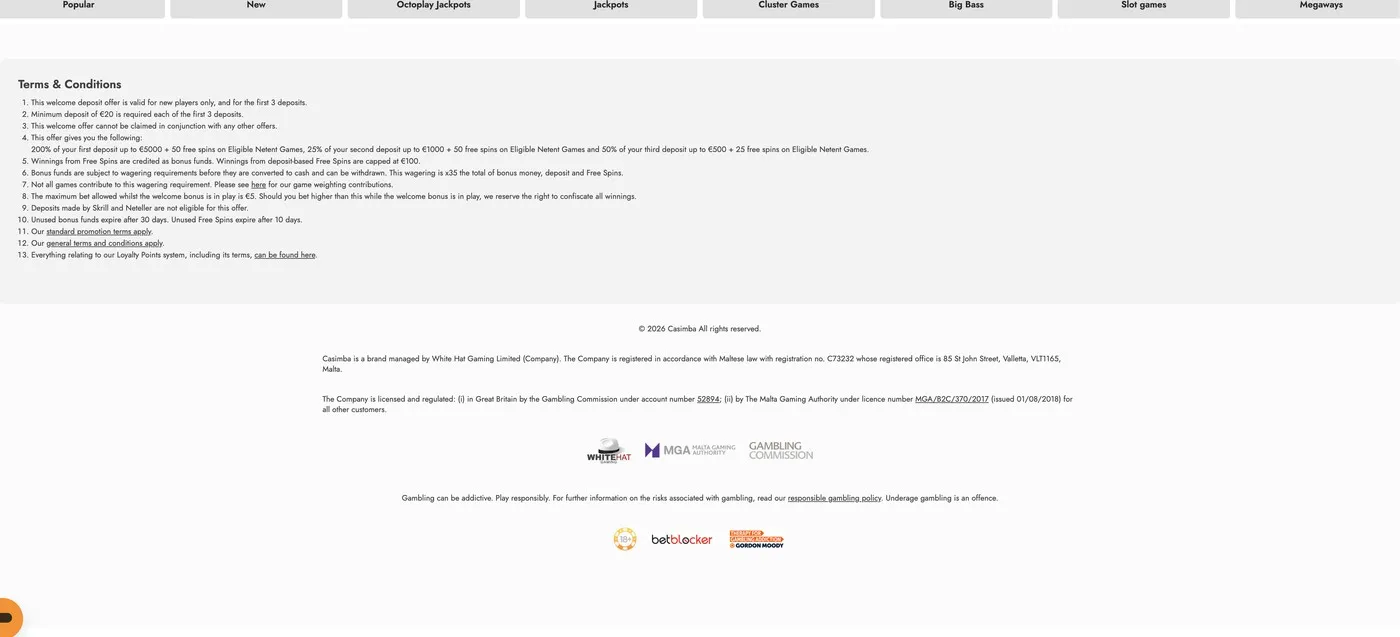
Footer logos are easy to fake. The MGA and the Curaçao Gaming Authority have both warned about sites that borrow their branding. A real seal or register link should land on the regulator’s own domain; a static image that does nothing when you click it is already a red flag.
What I match against the register
- Find the regulator, licence number, and company name in the footer.
- Open that regulator’s public register (type the URL yourself, or follow a seal that goes to the regulator’s domain).
- Search by licence number, company name, or brand URL.
- Confirm the entry is active, the company matches, and the domain you are on is listed. A valid number on the wrong company — or a company licensed for a different website — is enough for me to walk away.
I also scan the same register page for warnings, fines, or sanctions. Status can be “active” while the operator still has a messy compliance history.
UKGC, MGA, and Curaçao — what differs in practice
UK Gambling Commission. Licensed operators must show licensed status and link to the Commission’s public register. I use the UKGC Public Register and the Commission’s own guide, What to look at before you gamble. The entry lists permitted activities, listed domains, and any regulatory action. If my domain is missing from that list, the site is not licensed to operate there — full stop.
Malta Gaming Authority. Search the Licensee Register by company, brand URL, or status. MGA sites often show a dynamic seal that should open an MGA verification page. No register hit for the number or domain, and I stop.
Curaçao Gaming Authority. Common on crypto and international brands. In 2024 Curaçao replaced the old master-licence model with licences issued directly by the CGA (formerly the Gaming Control Board). I check the CGA registry, the published licence list PDF, and whether any footer seal opens the CGA certificate platform. Curaçao oversight is lighter than UKGC or MGA on player protections, so for these brands I put more weight on payout behaviour, support quality, and — again — whether the certificate covers the exact domain under review, not a sister brand from the same group.
Empty register, wrong company, suspended or revoked licence: the review ends there as not recommended.
2. Sign up with real credentials
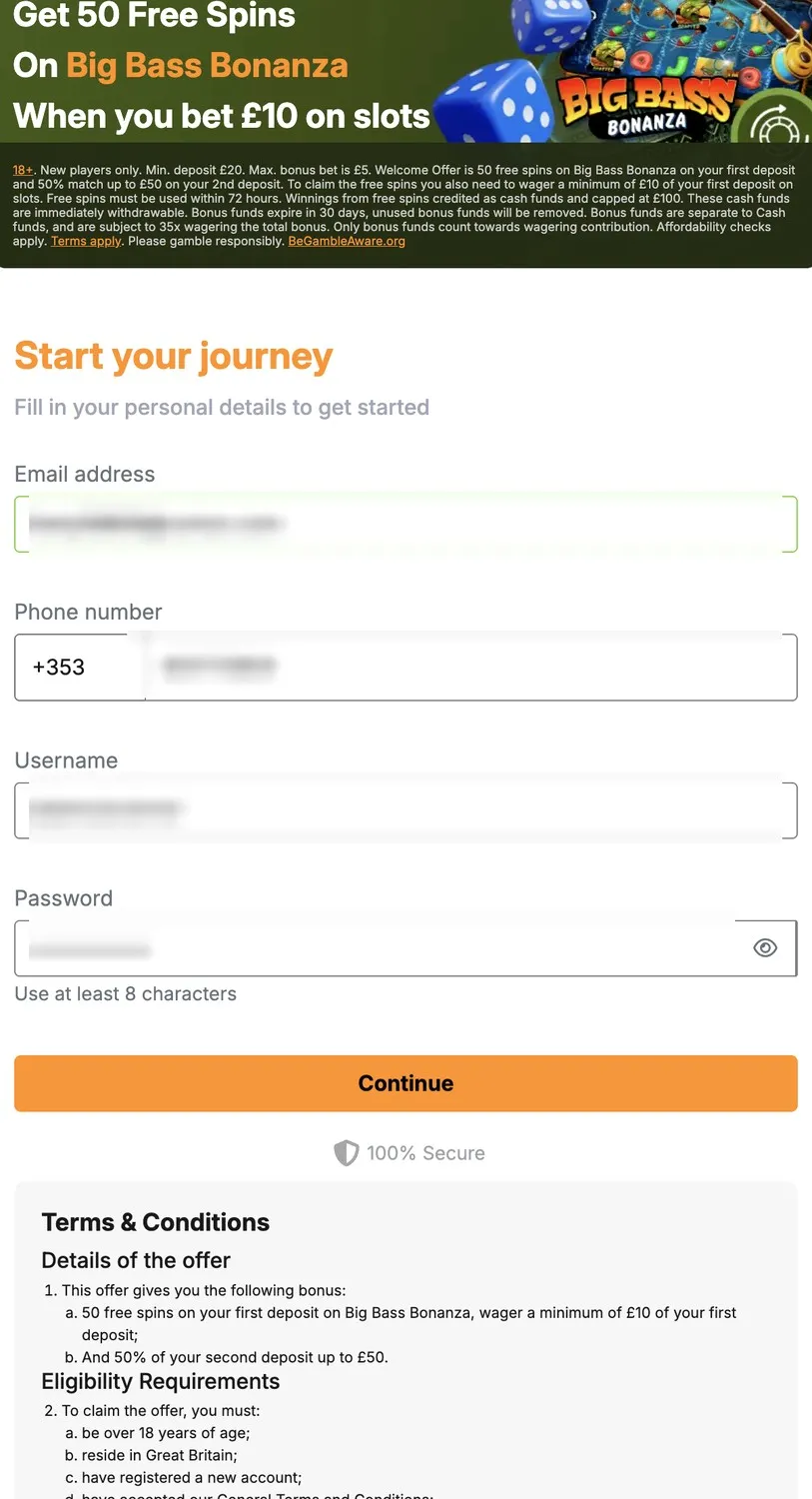
I register with my real personal details, exactly as any ordinary player would. During signup I check whether the casino explains the welcome bonus terms clearly, instead of hiding them behind small links or vague wording.
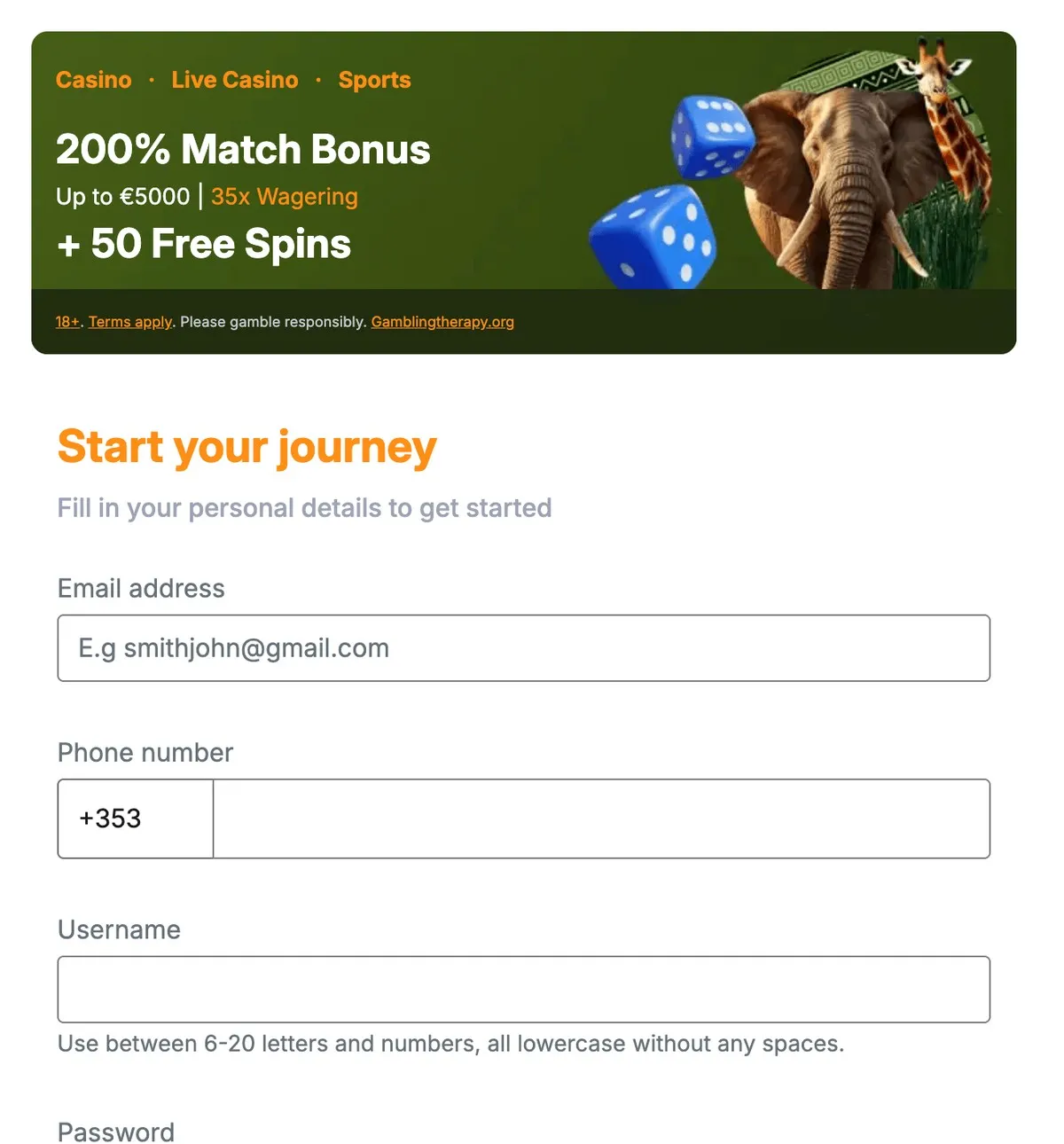
Using real details matters because it shows the true experience, including the verification process that every honest player will eventually face. Fake details would only postpone problems that appear later at withdrawal. Clear bonus terms at the signup stage are also a good sign of transparency: a casino that shows wagering requirements, time limits and maximum bets upfront has nothing to hide. If the terms are buried or only appear after you accept the offer, that tells you a lot about how the operator treats its players.
3. Explore the casino before depositing
After landing on the home page, I don’t deposit immediately. I take time to see how the casino works, what options it offers, and whether there is a free signup bonus. I also check whether the casino asks for document verification right after registration, since this, together with wagering requirements, is the biggest blocker for most players.

I also make sure responsible gambling tools are available directly in the account. There are usually two ways to set limits or self-exclude: a quick one-click option confirmed by email, or a request sent through an email form. The form is slower because the casino team has to review it manually. Easy access to these tools is the most important part of safe gaming, because they protect players who feel they are losing control. A casino that makes them hard to find or slow to activate is not putting player wellbeing first.
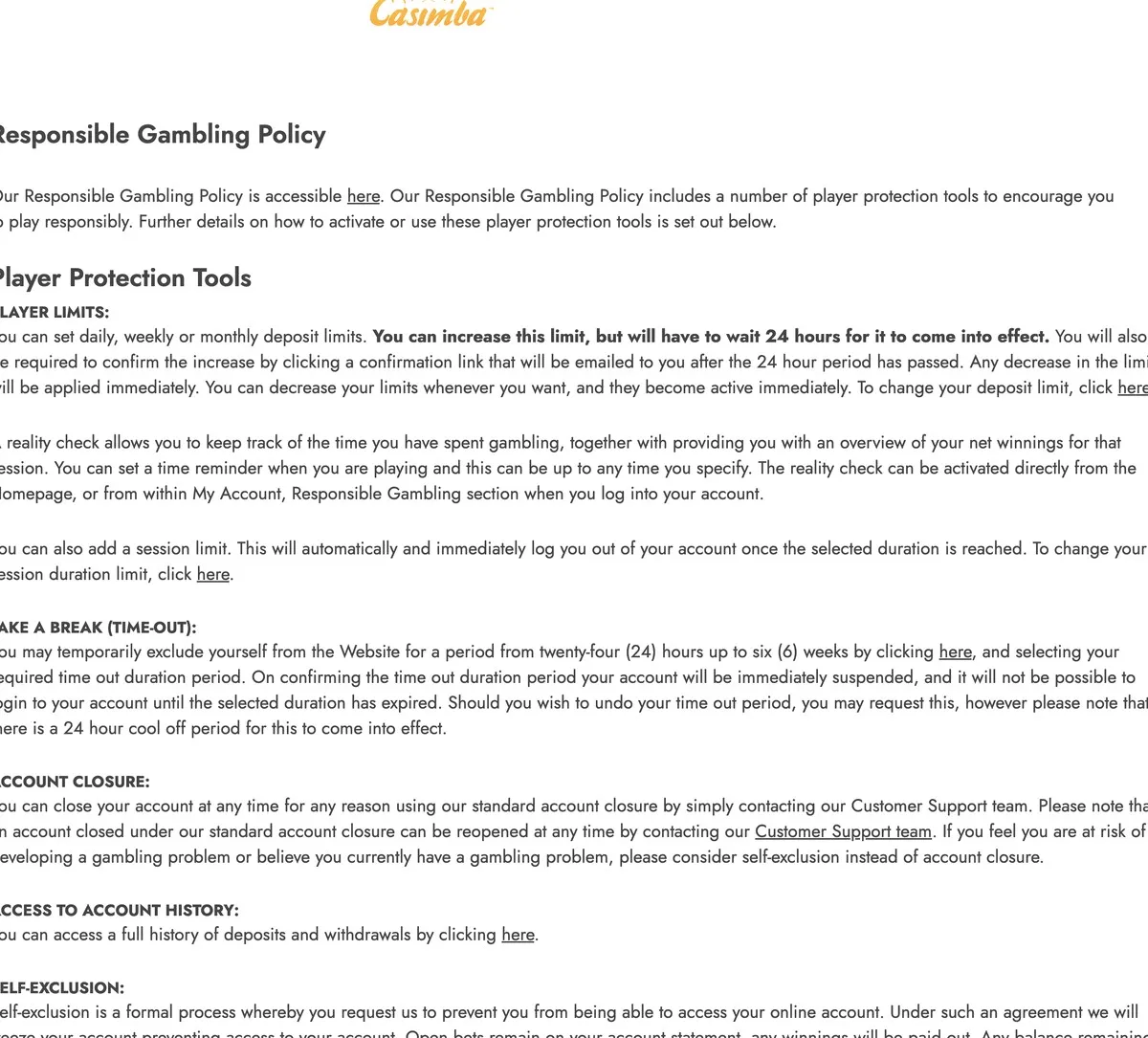
Exploring before depositing also protects your money. You learn about the payment methods, limits, bonus rules and verification demands before any real funds are at risk.
4. Check my email
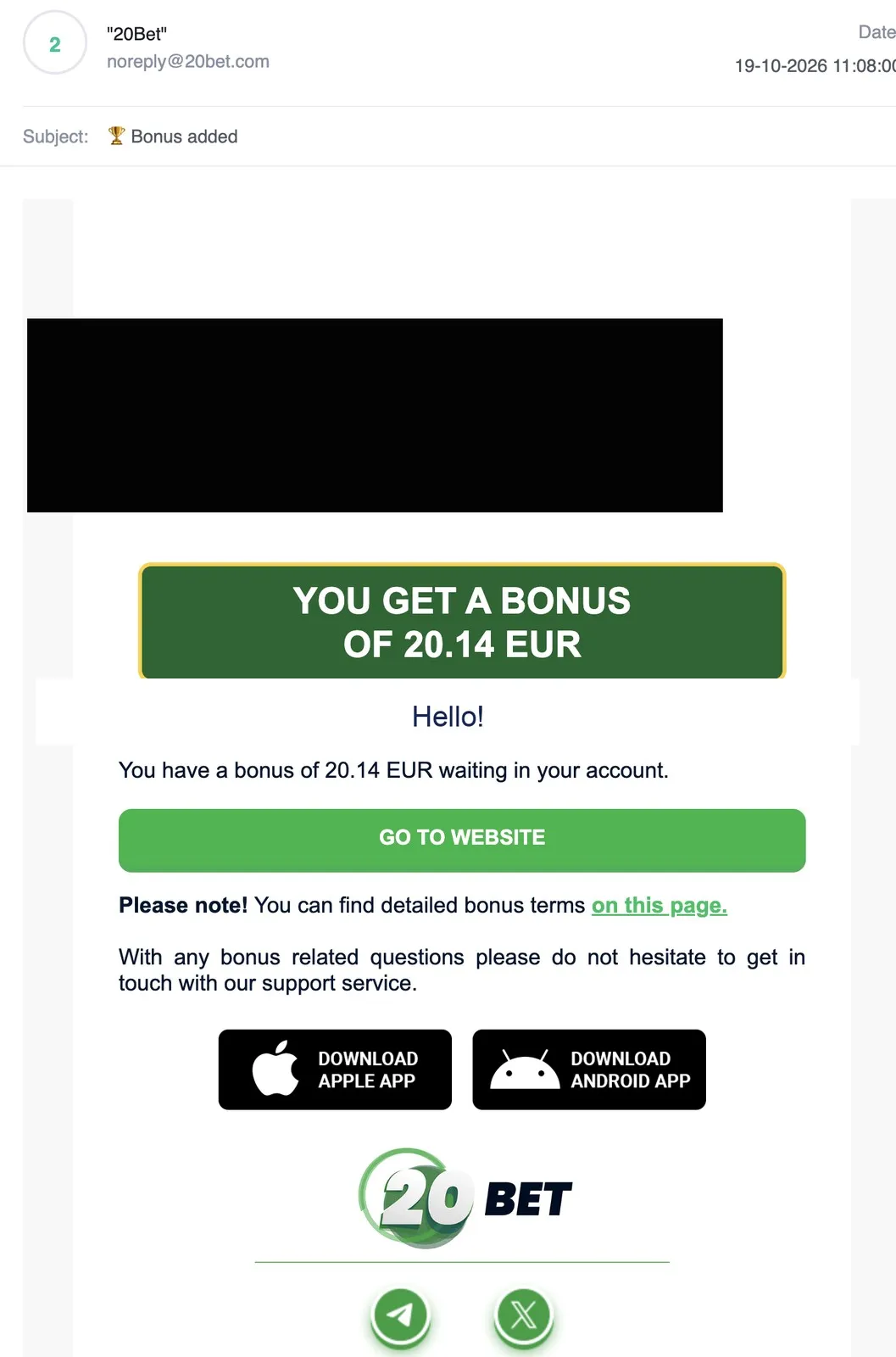
When I finish exploring, I check my inbox for verification requests or promotional offers. Casinos often send a better bonus by email than the one shown by default, especially to players who registered but haven’t deposited yet.
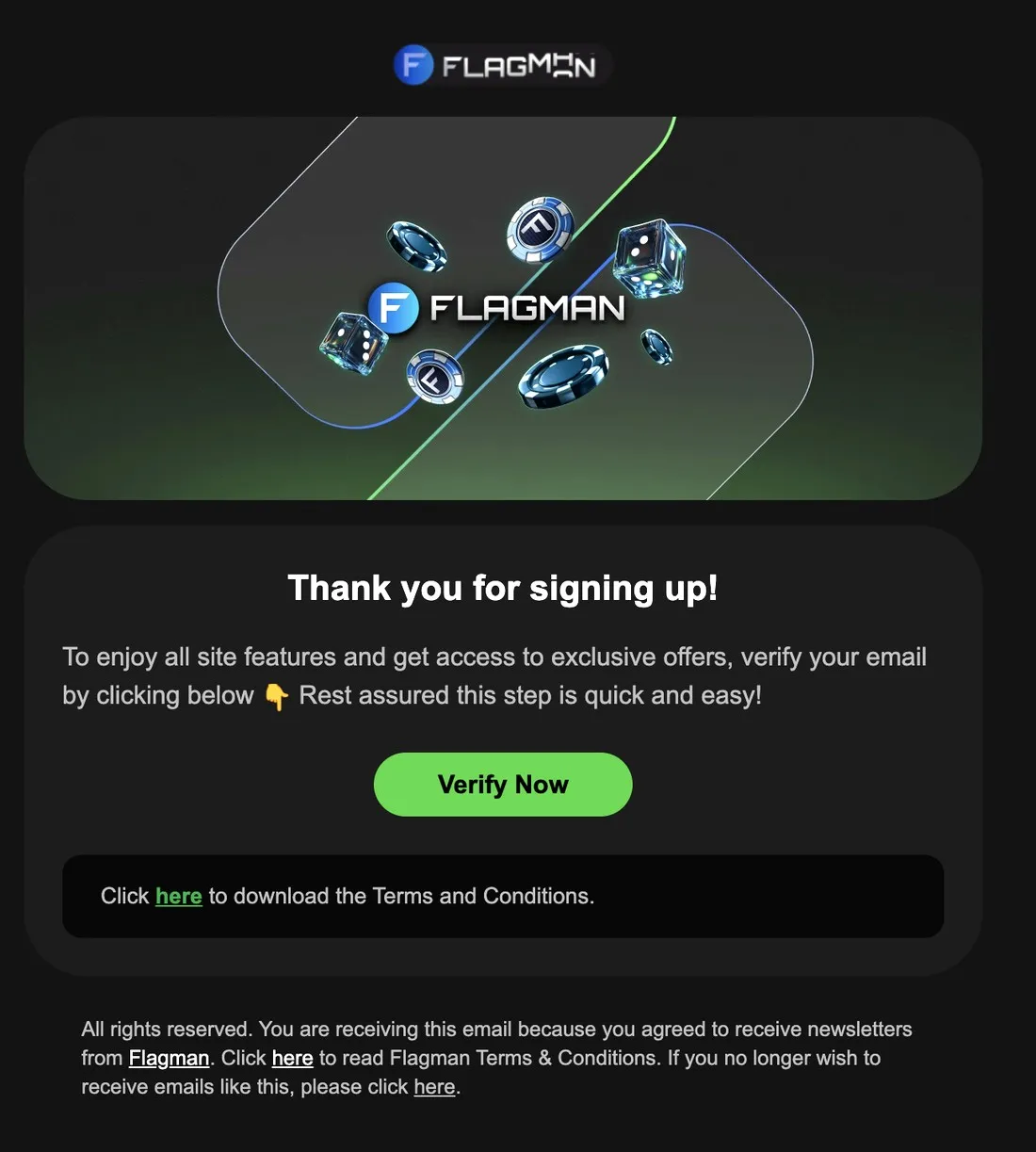
This step matters for two reasons. First, verification emails show how quickly and professionally the casino handles account security. Second, it shows how the casino communicates: some send helpful, clear messages, while others send aggressive marketing. And if you receive a promotional offer, it is often worth taking, because it can be better than the standard welcome bonus. Waiting a little can mean a better deal.
5. Check welcome bonus requirements for your payment method
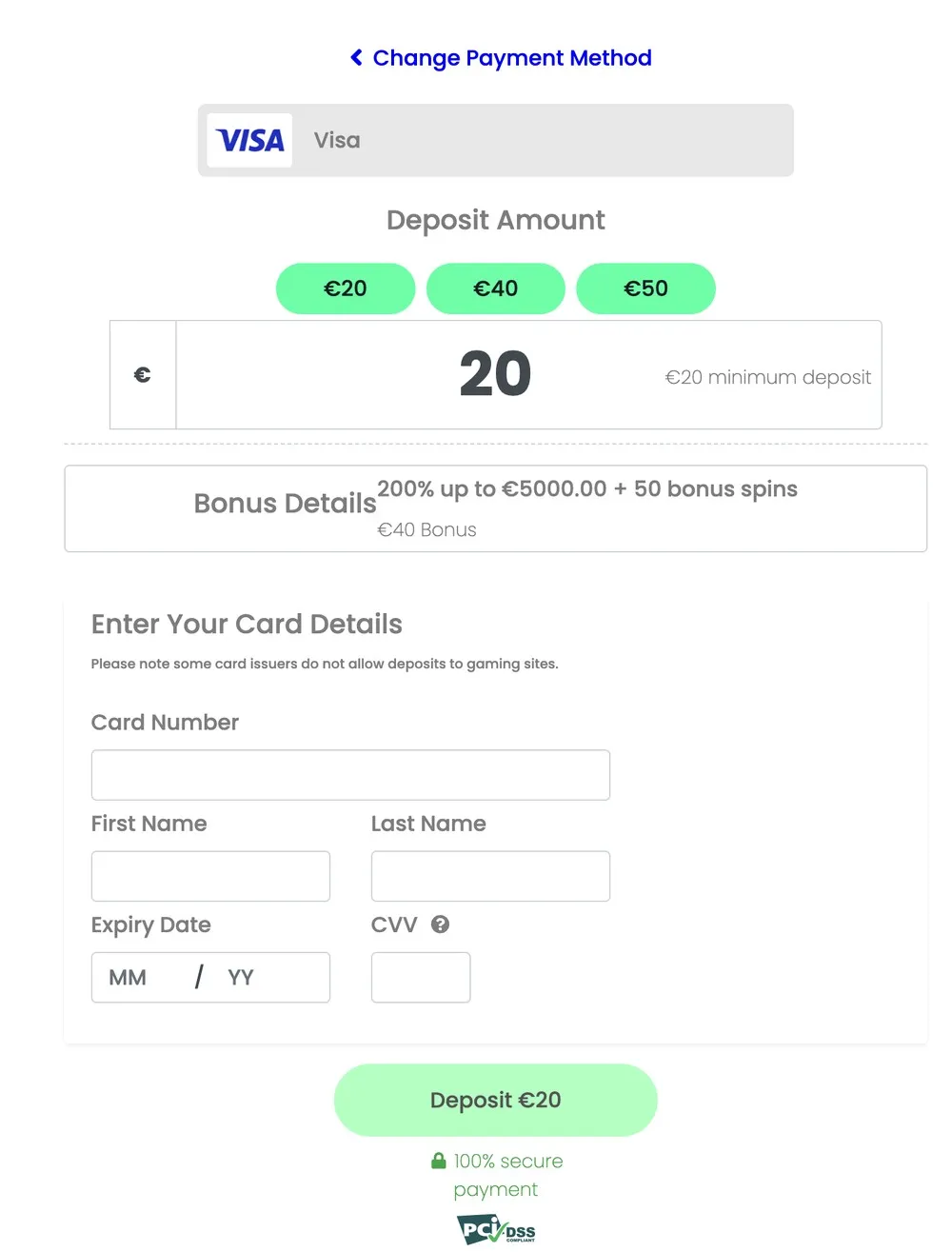
PayPal, Skrill, Neteller, crypto, and some cards are often excluded from the welcome package. I learned that the hard way once: deposited with a method that voided the bonus, and the money was already in. The deposit rarely reverses.
This is a step I once forgot, and it’s one of the easiest mistakes to make. If you deposit with an excluded method, you may lose the bonus entirely, and in most cases the deposit can’t be reversed once it is made. Checking the bonus terms first takes a few minutes and can save you from a very disappointing start.
6. Make a test deposit and try the games
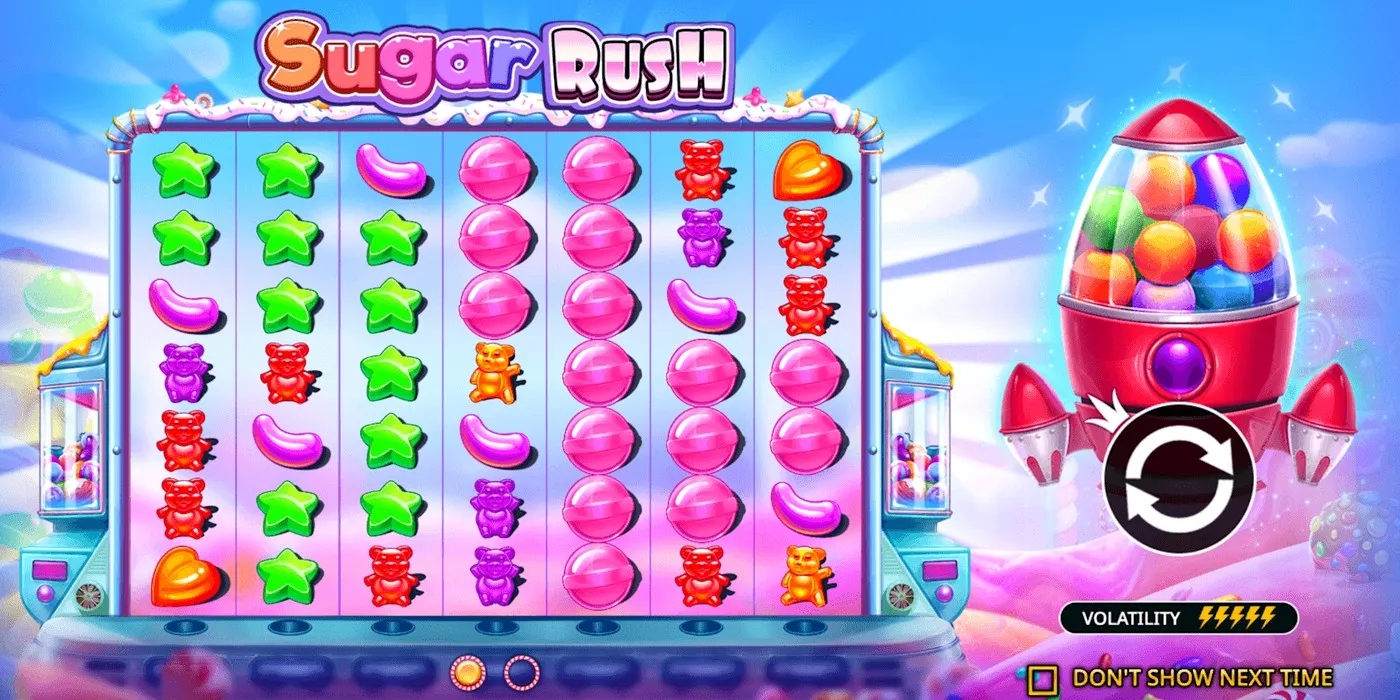
Only after all the steps above do I make a test deposit. I check how fast the money arrives, whether there are fees, and whether the process is smooth. Then I test a range of games from different providers. My personal favourites are classic-style slots, but I try different types so the review is balanced.
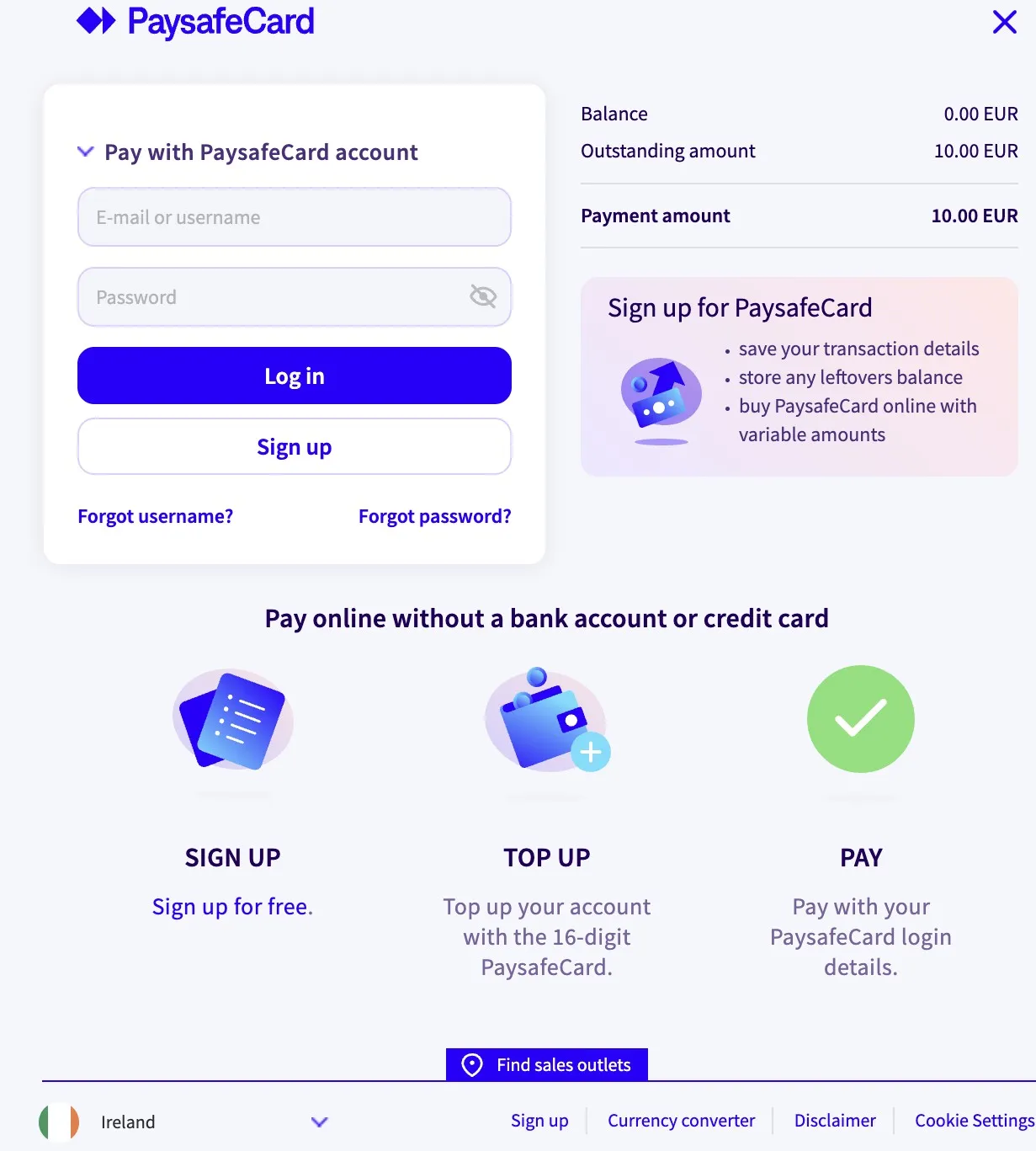
A deposit is the easiest part of the process for any casino, so a slow or complicated deposit is a very bad sign. Testing games from different providers shows the quality of the library, the stability of the software and whether the games load and run properly on both desktop and mobile. A broad selection from well-known studios also indicates that the casino has real partnerships and is not relying on unknown or unlicensed content.
7. Test the withdrawal
If I have cleared wagering and have a balance to cash out, I request a withdrawal on the same method where I can. I clock the time to approval, list every document asked for, and note whether new conditions appear only after the request — that last one shows up a lot in player complaints.
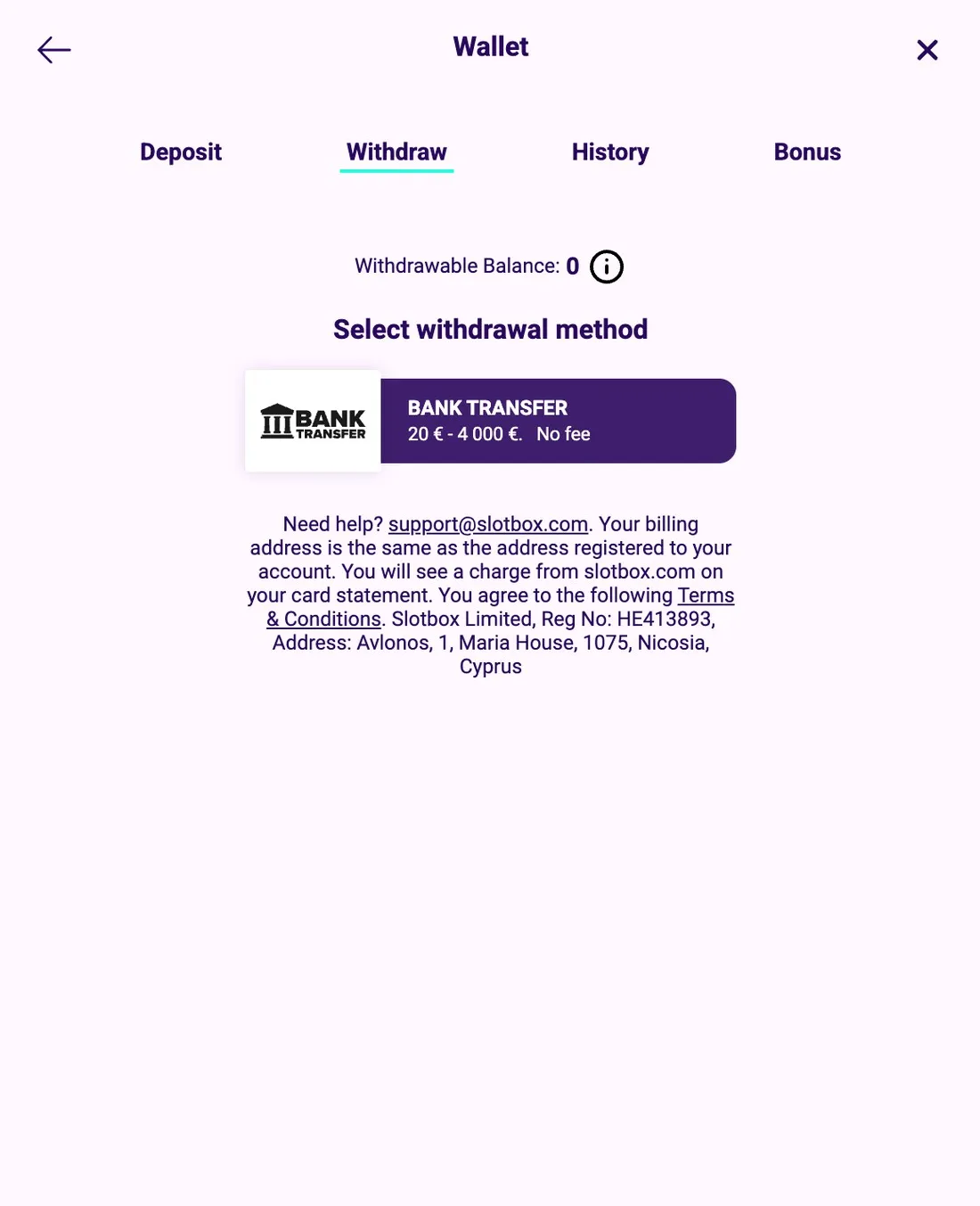
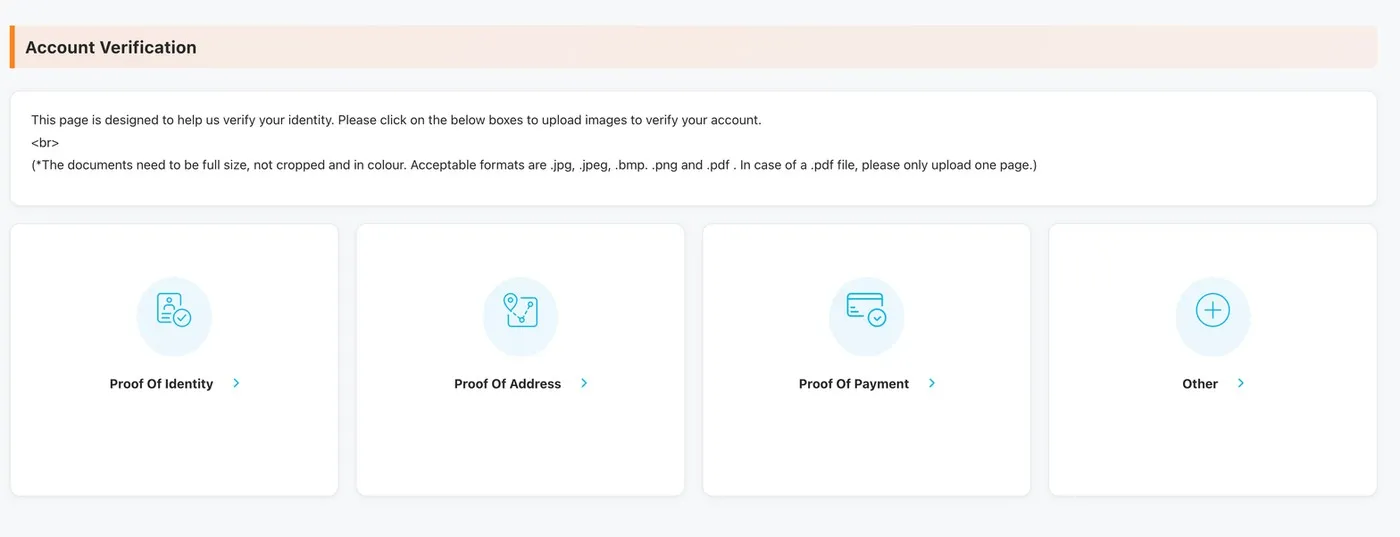
This is where the real quality of a casino is revealed. Any operator is happy to take your money; the question is how they behave when you want it back. Slow payouts, constantly changing conditions, unexpected fees and sudden document requests are the most common causes of player complaints. A casino that pays out quickly and without fuss has earned trust, and that is the single strongest signal in any review.
8. Check real player reviews
When my own testing is finished, I spend time reading what other players say. My preferred source is Trustpilot. If a casino has a good reputation and a rating of at least 3.5, I consider it a reasonable option to play at. On Trustpilot, I focus on long, detailed reviews, because they usually come from real people with real experiences.
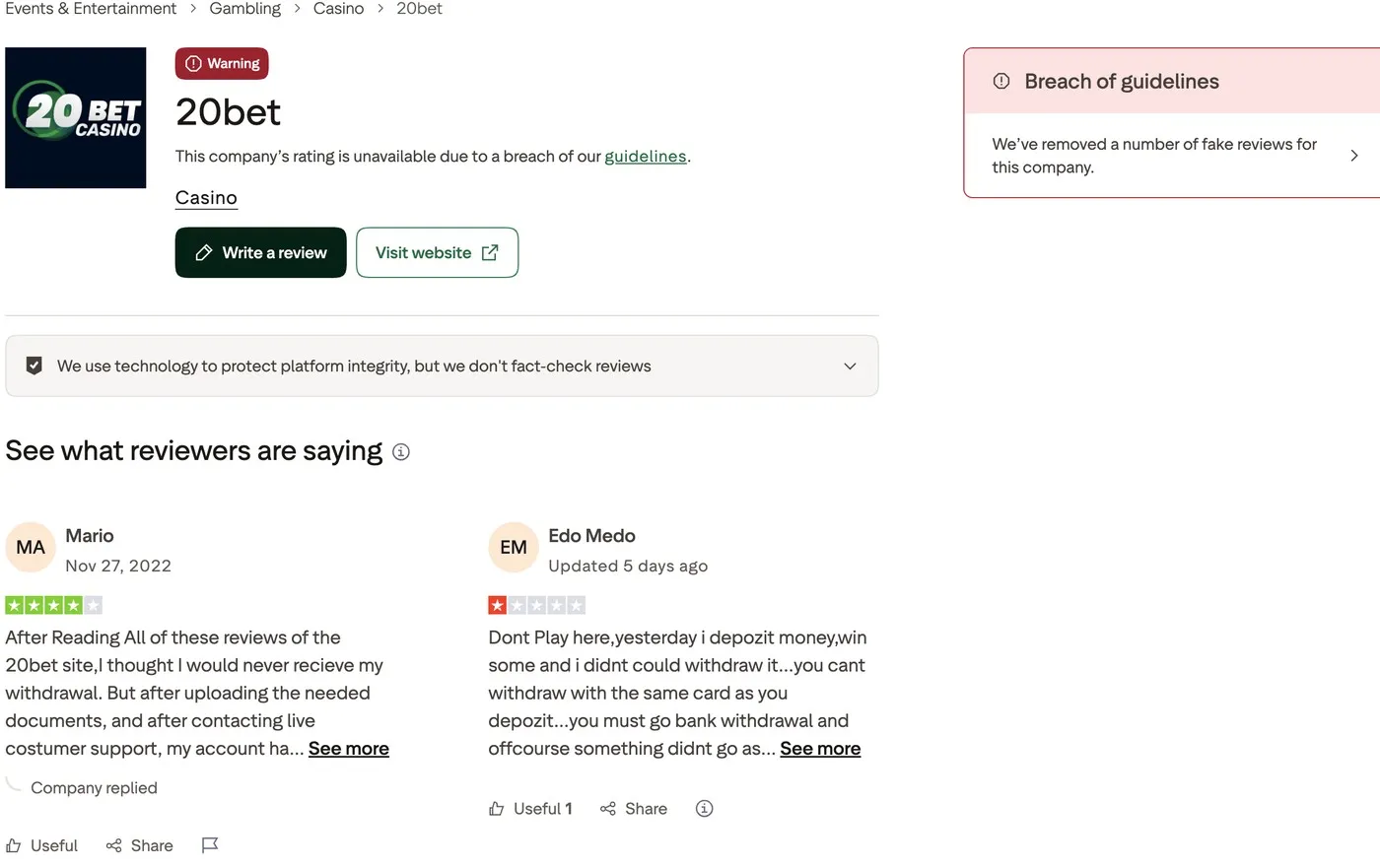
My own test shows one account’s experience at one moment in time. Other players’ reviews show patterns over months and years, such as repeated payout delays, closed accounts or poor support. Short, vague reviews, either very positive or very negative, are often less useful than detailed accounts that describe deposits, KYC, and withdrawals.
Sources
Primary registers and guides used for the licence and player-protection checks above (all verified live at last review):
- UK Gambling Commission — Public Register
- UKGC — What to look at before you gamble
- Malta Gaming Authority — Licensee Register
- Malta Gaming Authority
- Curaçao Gaming Authority
- CGA — Online Gaming License Registry (PDF)
- CGA — License register overview
- CGA certificate platform
- Trustpilot — third-party player review patterns after hands-on testing
- BeGambleAware, GamCare, Gambling Therapy
Related: Casino Licences Explained — Types, Costs, and Authority.
Responsible play
Gambling involves risk. Help: BeGambleAware, GamCare, Gambling Therapy.